

We’ve been incredibly busy behind the scenes at Surfacd, and we’re pleased to share the next stage in the platform’s evolution.
We’ve redesigned Surfacd from the ground up, making it quicker to navigate, easier to explore your AI visibility and reputation data, and simpler to investigate what’s happening behind the numbers.
There’s plenty that’s new, including more ways to compare your data, greater insight into the searches AI platforms perform when responding to prompts, and even a new dark mode.
The new Surfacd is officially live for every team. Here’s what’s new...
A fresh perspective on your AI visibility
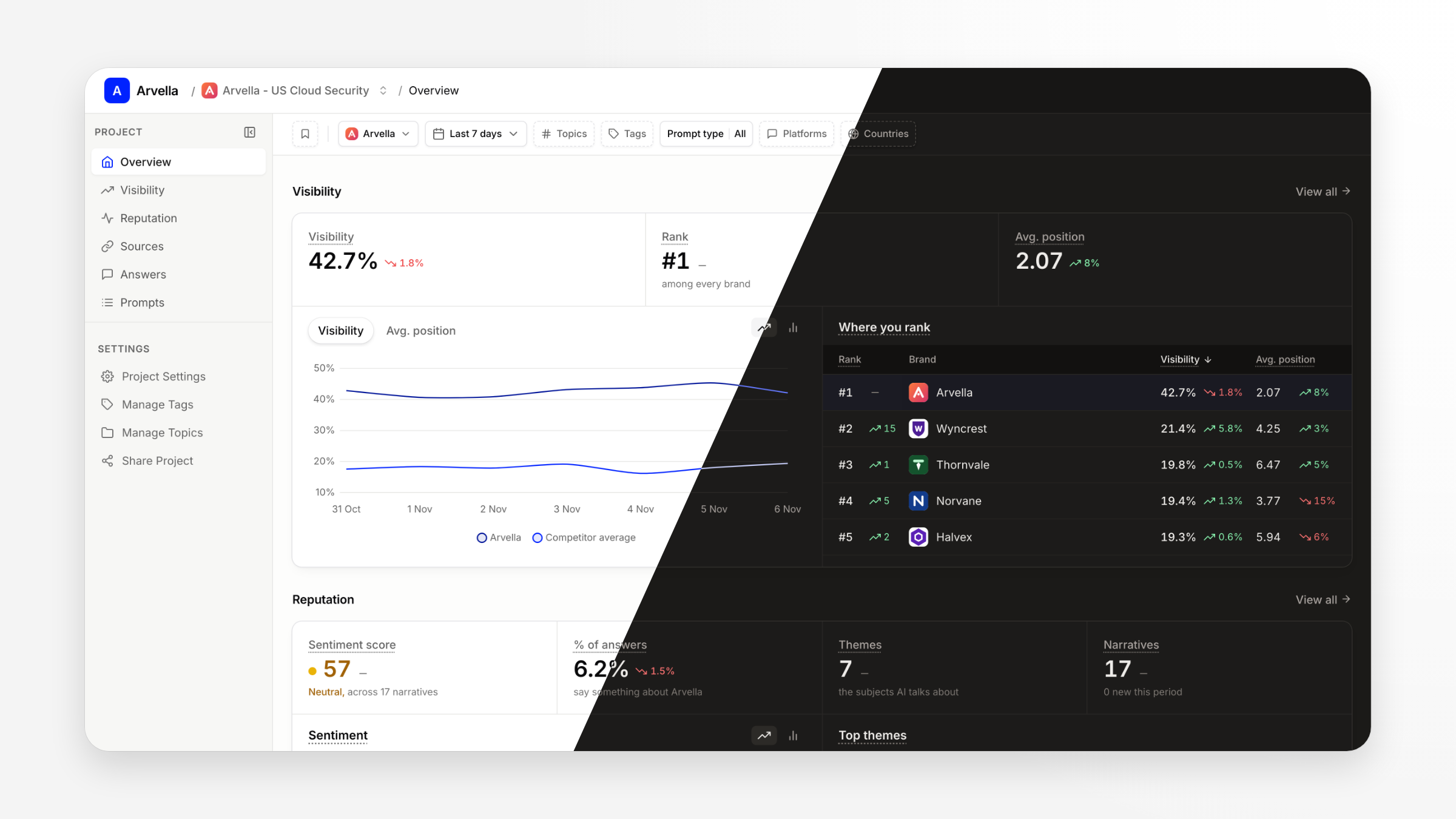
First things first, you’ll notice Surfacd looks and feels a little different.
We’ve introduced a new Overview page, providing a starting point for exploring Visibility Insights, Reputation, Sources and your most recent AI-generated answers. We’ve also reorganised the different views into tabs, with a consistent filter bar across the platform and the ability to save your favourite filters.
Whether you’re keeping an eye on a particular competitor, looking at different countries or investigating visibility across individual AI platforms, it’s now easier to find and explore the information you need, and the interface feels more intuitive, too.
Dig deeper into the detail
We know that the headline numbers only tell part of the story, and when something changes in your AI visibility or reputation, you’ll naturally want to investigate further. Which platforms have seen a change? How are your competitors performing? What do the individual answers and sources reveal?
With the new and improved Surfacd, getting into that level of detail is much easier.
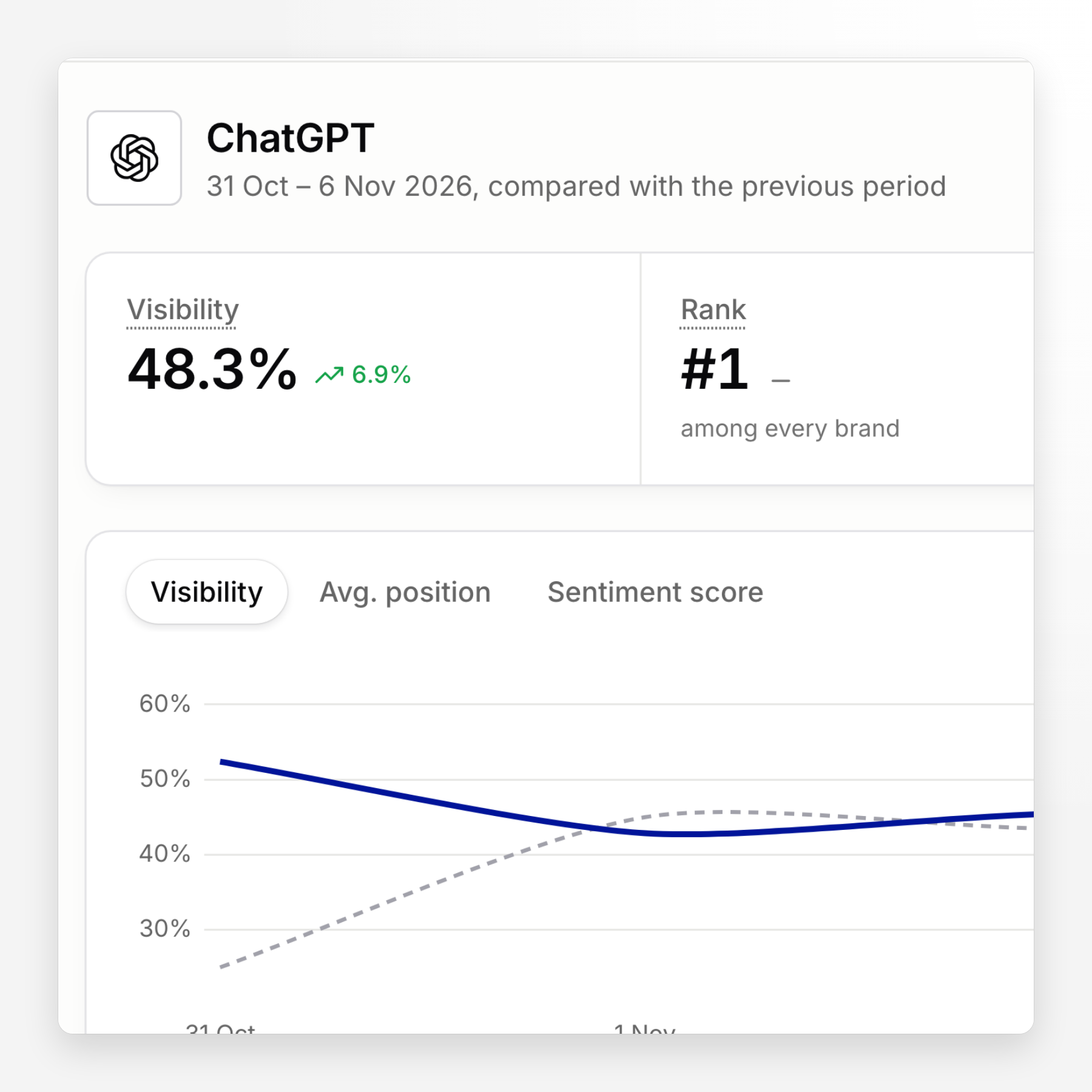
Our new slide-in panels allow you to investigate the data behind individual metrics without navigating away from the page you’re on.
For example, clicking on ChatGPT within Visibility Insights opens a detailed view of the brands, topics and websites associated with that platform. Select an individual prompt and you can explore its answers, brands, sources and searches.
You can do the same within Reputation Intelligence, examining the answers and sources behind individual narratives about your brand.
It’s a change our early adopters and clients have particularly welcomed, alongside how much easier it is to get data out of the platform.
More ways to explore your data
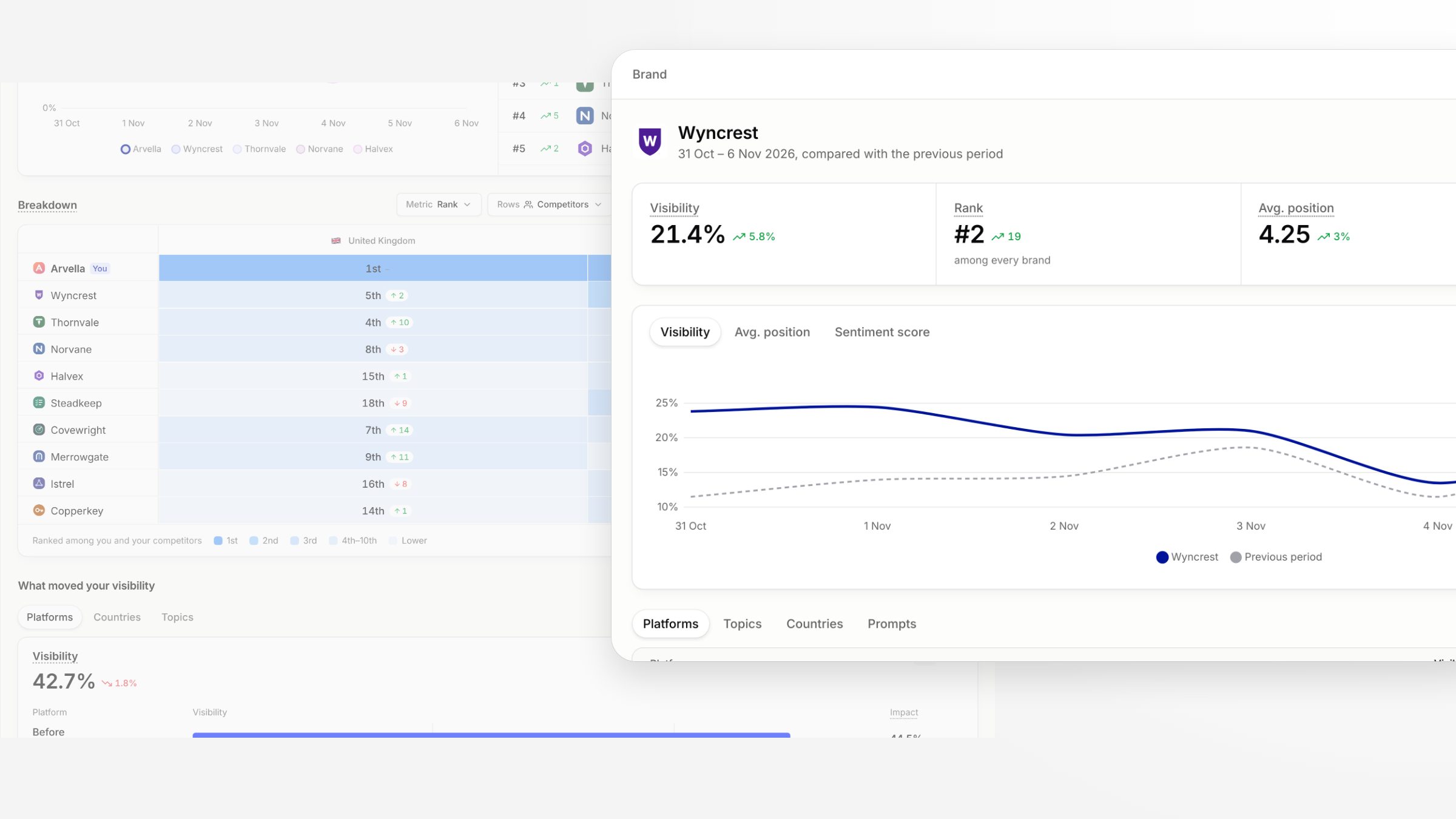
One of the most exciting additions is Breakdown, a new feature within Visibility Insights that gives you more flexibility to compare your AI visibility data.
You can compare any two dimensions, including brands, competitors, platforms, topics, countries and tags.
Curious about which competitors have the strongest AI visibility in different markets? Compare them by country, then switch to platforms to see how their performance differs.
You’ll also be able to see changes against the previous reporting period and click into individual results for more detail, without losing your original view.
We’ve also introduced What moved your visibility, which breaks down changes in visibility by platform, country and topic.
So, when you spot an increase or decrease in your visibility, you can see where that movement has occurred and investigate further.
Go behind the answer with Query Fan Out
We’re particularly excited about this one.
Many AI-generated answers begin with a web search, a process often referred to as Query Fan Out. Understanding what AI platforms are searching for can provide useful insight into how your content might be discovered and included in their responses.
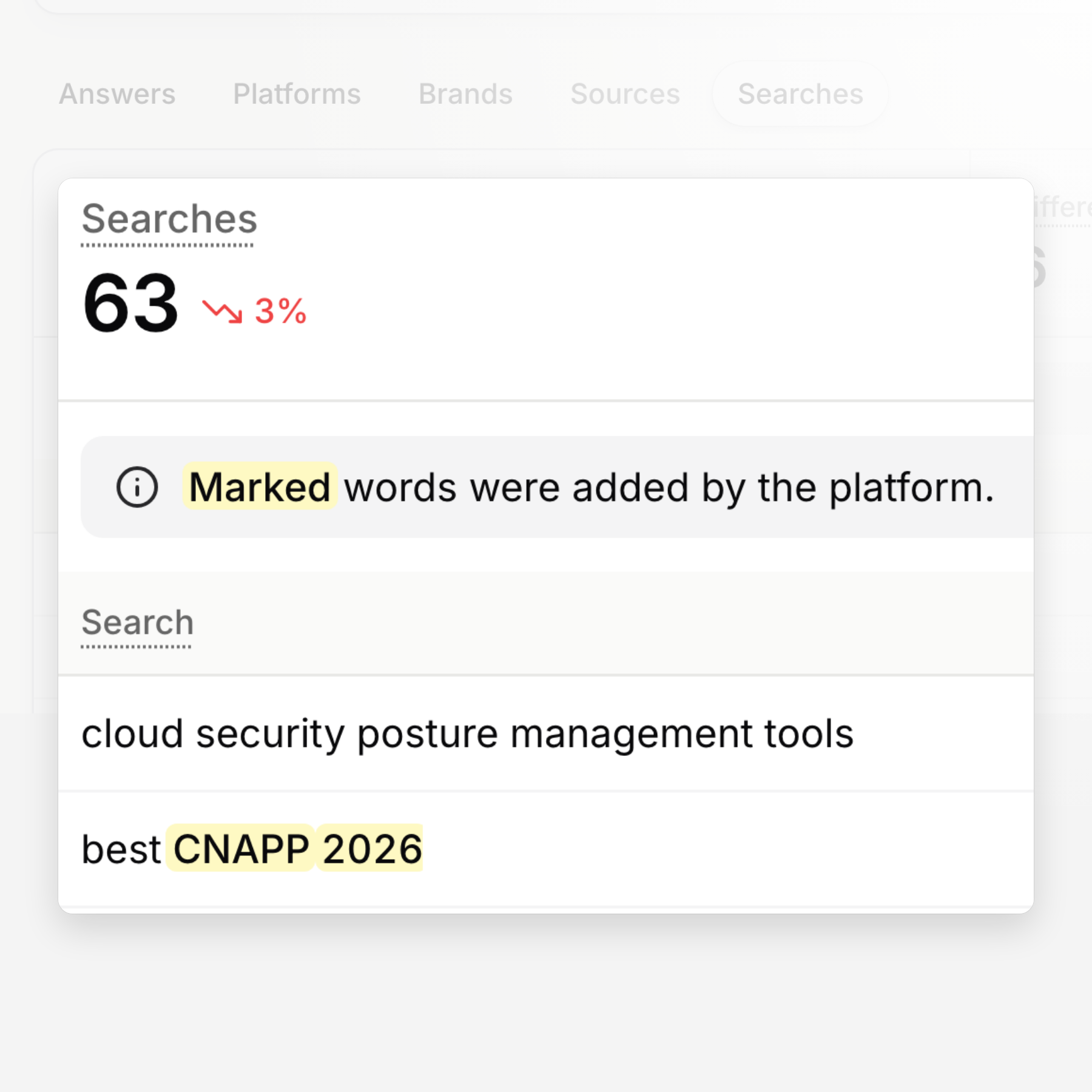
We’ve introduced a new Searches view within Prompts, allowing you to see the searches each AI platform performed in response to your tracked prompts.
You can explore the individual search queries, including any additional words introduced by the platform, and investigate broader patterns through our new How platforms search and Most searched views.
The same information is available when you open an individual prompt, giving you another way to investigate what’s happening behind the answers you’re tracking.
For anyone working on AI search visibility, this is particularly interesting. If you want your website and content to appear in AI-generated answers, understanding the searches they need to show up for is an important part of the picture.
Come and explore the new Surfacd
The new Surfacd is available to everyone now, and there’s nothing you need to do to get started. Your existing data is ready and waiting in the redesigned platform.
Simply log in to Surfacd and take a look around.
If you’re looking for something familiar, a few things have moved:
Dashboard is now Overview.
Rankings is now the Competitors tab within Visibility Insights.
Mentions is now Answers.
For those who prefer dark mode, you can now select Dark or Match your device from the account menu.
You can still switch back to Classic Surfacd from the header if you prefer the previous experience, although new features will be introduced in the redesigned platform.
We’re really pleased to be sharing this latest evolution of Surfacd, and we’re looking forward to hearing what you think.
If there’s something you particularly like, or a feature you previously relied on that you can’t find, drop us a line at hello@surfacd.com so we can make sure it isn’t lost.
New to Surfacd?
We’d love to show you around. Book a demo with our team or start your free 7-day trial to explore the platform for yourself.
No credit card required, cancel anytime.